

Clic-Linx
A toy designed to help make routines feel more like play. Clic-Linx is a toy system designed to help kids with autism spectrum disorder learn daily routines.
For kids ages 5 - 10
Educational Toy
14 Week Project | 2023

click for process details

Some kids have unique needs for learning.
Children with Autism Spectrum Disorder have needs that are unique to the individual. Learning important life skills could be difficult, but play can make learning easier.
Make learning be more like play
Starting with toys that are snappy and satisfying
A fun fidget toy that establishes the basis of play.
Starting with toys that are snappy and satisfying
A fun fidget toy that establishes the basis for play.
Starting with toys that are snappy and satisfying
A fun fidget toy that establishes the basis for play.
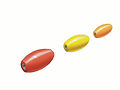
Starting with toys that are snappy and satisfying
A fun fidget toy that establishes the basis for play.

It needs to fit their personality and preferences
Customizable silicone sleaves creates attachment and ownership based on personal preferences.
It needs to fit their personality and preferences
Customizable silicone sleaves creates attachment and ownership based on personal preferences.
It needs to fit their personality and preferences
Customizable silicone sleaves creates attachment and ownership based on personal preferences.

Learning becomes easier and more fun
Clic-Linx transforms into a tool to ease learning through playful interactions.
Learning becomes easier and more fun
Clic-Linx transforms into a tool to ease learning through playful interactions.

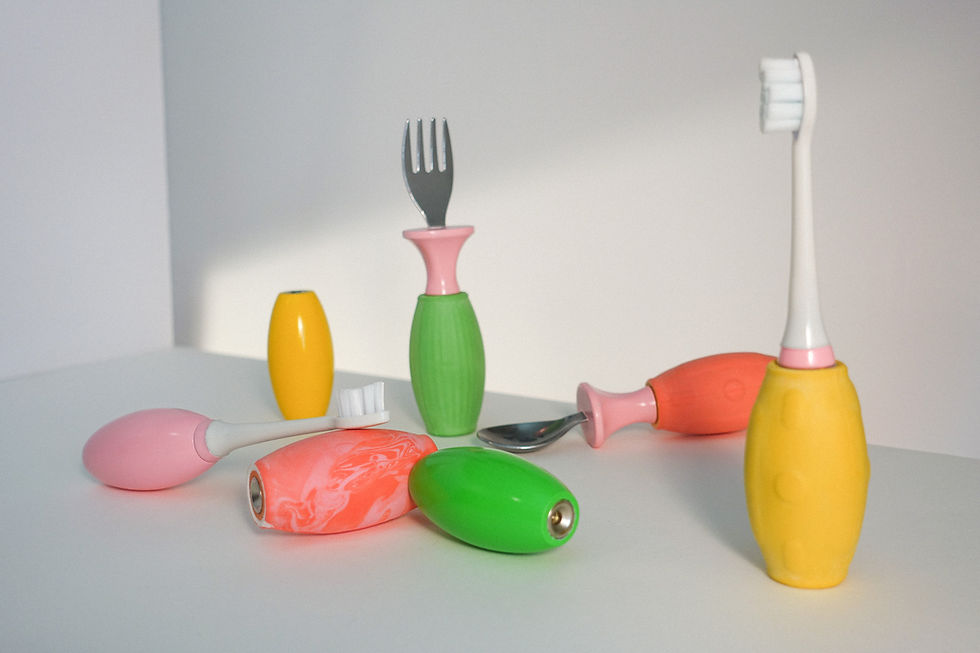
Base Toy
They magnetically pop together with a satisfying click.

Utensil Heads
Eating utencils with guards lock into place with magnets and a twist.

Toothbrush Head
The toothbrushes come in varying bristle stiffnesses and are easy to replace.
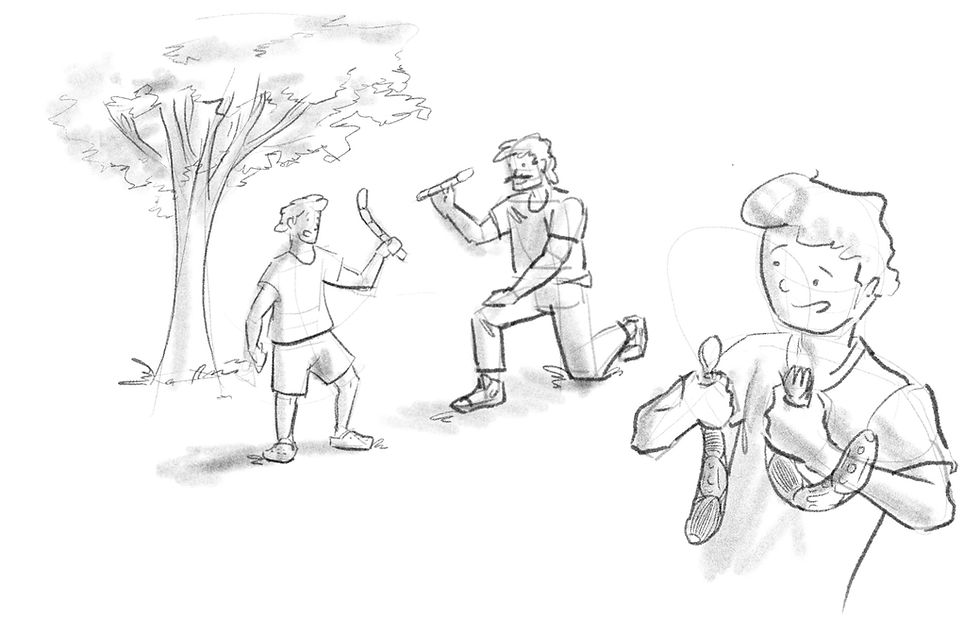
Clic-Linx offers a new way to learn and play


Keep scrolling to see how Clic-Linx was developed
Design Process
Key Responsibilities: concept development, sketching, prototyping, CAD, and final build process.
back to top


Learning everyday tasks is a common issue among kids with Autism Spectrum Disorder
The research was guided by Momentum Pediatric Therapy in Los Angeles. They generously offered expert guidance throughout the research and development of Clic-Linx.
How could design accommodate the varying needs and preferences of kids?
How can we make it easier for parents to more naturally teach their kids new skills?
How do we make learning more approachable?
The solution needs to be flexible, fun, and approachable.


What's out there?
There's a wide variety of products, and they do their singular tasks well.


How can we connect play to everyday routines?


Three main concepts combined
I wanted to combine the modularity of having one handle and multiple heads, the magical fun of magnets, and the wonderful tactility of a squishy material.


Three main concepts combined
I wanted to combine the modularity of having one handle and multiple heads, the magical fun of magnets, and the wonderful tactility of a squishy material.


Prototyping how they attach
It started with just plain magnets, but soon realized it needed to mechanically attach. I played with detents, friction fittings, and landed on threaded fasteneres for safety and developing fine motor skills.


Final build
The toys are 3D printed with threaded inserts and magnets. I used molded colored EVA sculpting clay to simulate the silicone sleeves. The utensil heads and toothbrush were purchased and modified to fit the project.